Group Science
We use brain stimulation to establish the functional role of transient synchrony, and its pathological role in common movement disorders and beyond.
Our everyday actions, from decision making to motor control, involve information exchange through transient neural synchrony across multiple brain regions. A range of neurological disorders such as Parkinson’s disease, essential tremor, dystonia and dyskinesia could be attributed to dysfunction of this fundamental neural property. To date, the functional and pathological roles of transient neural synchrony remains unknown, a critical link that could be leveraged to identify novel ways of treating a range of neuropsychiatric disorders.
Key Research Areas
Selective neuromodulation
Modulating neural activity of interest while sparing other physiological function.
Dynamic neuromodulation
Adjusting neuromodulation according to the current state of the neural system.
Mimicking nature
Learning from spontaneous neural processes how to modulate neural synchrony.
Closed-loop stimulation
Remote symptom monitoring
Sense
Record neural activity, for example through deep brain stimulation electrodes that can both sense and stimulate.
Detect
Track the current state of the neural system, such as a burst of synchrony.
Adapt
Adjust stimulation to that state, then keep sensing.
Research Techniques
- Deep Brain Stimulation (sensing and stimulating)
- Theoretical Modelling (single unit to population level models)
- Neuroimaging (EEG, MEG)
- Non-invasive Stimulation
- Signal processing
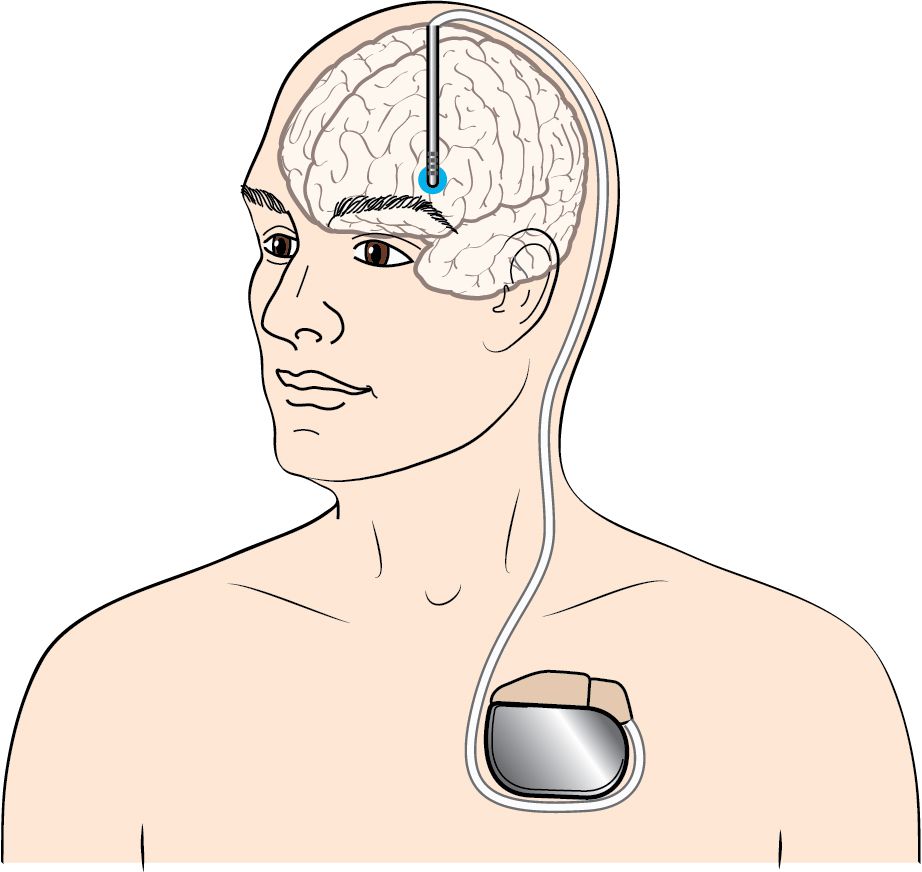
Deep Brain Stimulation
We sense and stimulate via deep brain stimulation electrodes
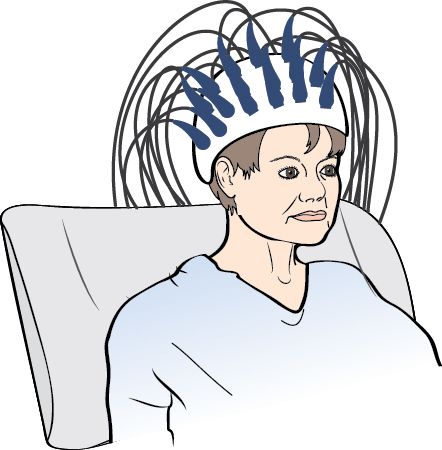
Neuroimaging
We make use of cutting edge neuroimaging techniques
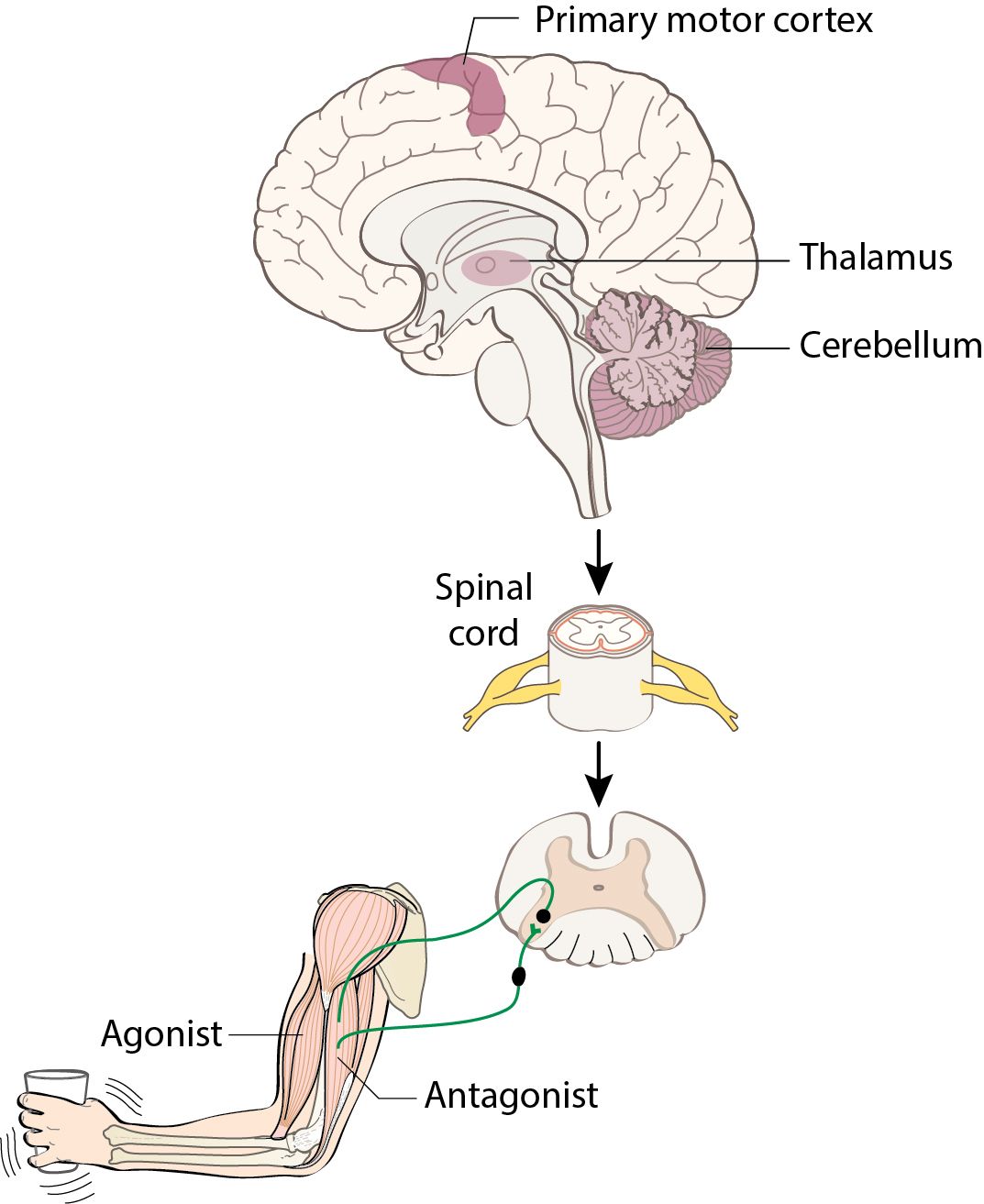
Theoretical Modelling
We develop computational models of different disease circuits
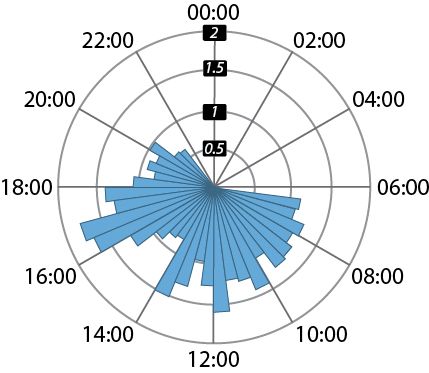
Signal Processing
We develop custom analysis tools to detect long-term trends
Longer-term Perspectives
As our knowledge on neurological and psychiatric disorders increase, we are able to leverage implantable and wearable bioelectronics to deliver adaptable and individually optimised therapies to patients. Our long term research aim is to identify and leverage critical disease mechanisms in order to deliver dynamic therapies using a combination of invasive and non-invasive technologies.
Equality and Diversity
We are committed to fostering an inclusive work environment that celebrates diversity and promotes equal opportunity within our group.